
Skip to content

PIDX

Turn engineering drawings
into connected intelligence

DeepIQ PIDx uses AI to transform P&IDs and engineering drawings into structured,
searchable information and connects that knowledge to the systems running your operation.

Decades of engineering knowledge are trapped in drawings

Critical information about equipment, instrumentation, safeguards, process relationships, and plant design still lives inside PDFs, scans, and legacy engineering files. PIDx makes that information usable.

From drawing to connected intelligence

1
UPLOAD
Search, analyze, validate, and use engineering intelligence in operational workflows, compliance activities, analytics, and AI.
2
Digitize
AI identifies symbols, equipment, instrumentation, text, lines, connectivity, and engineering relationships.
3
Validate
Review extracted information and identify potential inconsistencies or missing engineering information.
4
Connect
Link drawing information to historians, maintenance systems, asset information, documents, and other operational systems.
5
Use
Search, analyze, validate, and use engineering intelligence in operational workflows, compliance activities, analytics, and AI.
6
act
Turn connected engineering intelligence into action—supporting faster decisions, automated workflows, risk reduction, and AI-driven operations.

What makes us different?

Don't just digitize the drawing. Understand what it represents.
Traditional document extraction tells you what's printed on the page. PIDx understands how those elements relate. 

A pump isn't simply a symbol, it's connected to upstream and downstream equipment, it has instrumentation, it belongs to a process with historian tags, it has maintenance history, and it may have alarms, procedures, safeguards, and inspection records. DeepIQ connects all those relationships.

PIDx

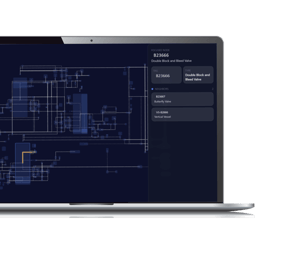
Find engineering answers faster

Once your drawings become structured intelligence, teams can quickly find information such as:

  • What equipment is connected to this vessel?
  • Which instruments monitor this process?
  • What valves exist upstream of this asset?
  • Which drawings contain this equipment?
  • What is the process path between these assets?
  • Which operational data is associated with this equipment?
  • What maintenance information exists for this asset?
  • What safeguards are shown around this process?

Information that once required searching through drawings and multiple systems becomes easier to access.
reveal left side screen
PIDx

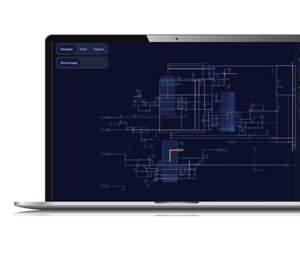
Built for more than drawing conversion

Process Safety

Make engineering relationships easier to find during HAZOPs, PHAs, investigations, and process-safety reviews.

Compliance

Improve access to engineering information needed for audits, documentation reviews, and PSM activities.

Maintenance & Reliability

Connect equipment shown in drawings to maintenance, inspection, and operating information.

Operations

Give operations teams faster access to the engineering context behind plant equipment and processes.

Engineering

Reduce manual drawing review and make legacy engineering information easier to search, validate, and reuse.

Industrial AI

Give copilots and agents machine-readable engineering context they could never reliably obtain from static PDFs alone.

screen
bg-office-meeting-table-unsplash
“DeepIQ DataStudio has enabled real-time integration between our IT and OT systems, cutting our time to insights from days to minutes. It is a key enabler for how we operate and make decisions.”
Cole NortonSenior VP of IT, Grapevine Energy Holdings

Frequently asked questions

What is DeepIQ PIDx? DeepIQ PIDx uses AI to transform P&IDs and other engineering drawings into structured, searchable engineering intelligence. It identifies equipment, instrumentation, lines, connectivity, and relationships so drawing information can be used across engineering, operations, compliance, analytics, and AI.
What types of engineering drawings can PIDx process? PIDx can work with legacy P&IDs, PDFs, scanned drawings, and other engineering documents. It extracts information that would otherwise require significant manual review and data entry.
How does PIDx ensure the accuracy of digitized information? PIDx combines AI-powered extraction with validation workflows that allow teams to review results and identify missing, inconsistent, or potentially incorrect engineering information before it is put into use.
Can PIDx connect P&ID information to our existing systems?

Yes.

PIDx can connect engineering information with data from historians, maintenance and asset systems, documents, and other operational sources—helping teams understand the relationship between what is shown on a drawing and what is happening in the operation.

What can we do with P&ID data after it is digitized? Digitized P&ID information can support engineering search, process safety, compliance, maintenance, troubleshooting, analytics, digital twins, and AI workflows. Rather than creating another static digital drawing, PIDx makes engineering knowledge usable across the organization.
bg-two-people-table-unsplash

Your P&IDs are only the beginning.

PIDx unlocks the engineering knowledge inside your drawings. DeepIQ then connects it to operational and enterprise information through Reveal, Data Products, and Biz Context, giving Agentix the context needed to support real industrial decisions.