
Skip to content

DATASTUDIO

Build industrial data
workflows without building everything from scratch

DeepIQ DataStudio gives teams a visual environment for creating, automating,
and scaling the workflows that prepare industrial data for operations, analytics, applications, and AI.

Industrial data preparation shouldn't require endless custom code

Every new use case shouldn't require another custom pipeline. DataStudio gives teams reusable tools for cleaning, transforming, combining, validating, and orchestrating industrial data.

From raw data to useable information


1
Connect
Bring together data from historians, databases, enterprise applications, engineering systems, files, APIs, cloud platforms, and edge environments.
2
Prepare
Clean, standardize, transform, filter, calculate, and organize the information.
3
Apply Your Logic
Add engineering calculations, business rules, validation checks, matching logic, and domain-specific workflows.
4
Automate

Schedule and orchestrate workflows so repeatable data processes no longer depend on manual effort.

5
Deliver
Send trusted results to dashboards, applications, data products, analytics platforms, knowledge graphs, or AI systems.

Built for engineers and data teams

Industrial transformation works best when domain experts can participate directly.
DataStudio helps bridge the gap between engineering knowledge and data engineering.

connect
Visual for Domain Experts

Build and understand workflows without needing to write every process from scratch.


data flows
Flexible for Developers
Extend workflows with code and advanced logic when additional customization is required.
Reusable Across Teams
Standardize successful workflows so they can be reused across facilities, assets, and projects.
compass
Governed for the Enterprise
Manage how workflows are created, deployed, and maintained across industrial environments.

Industrial data is complex. Working with it shouldn't be

Operational data comes from many different systems, formats, and sources. One system may use a different asset name than another.
Time-series data may contain gaps. Engineering data may need calculations. Business rules may need to be applied before the information is useful.
Traditionally, solving these problems requires custom scripts, point-to-point integrations, and significant IT support.
DataStudio makes that work easier to build, understand, reuse, and scale.
DATASTUDIO

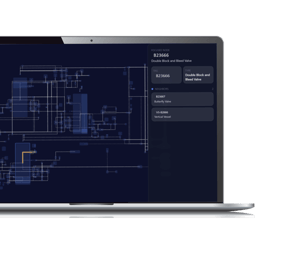
A visual workspace for industrial data

DataStudio gives engineers, data teams, and domain experts a common environment for building industrial data workflows.

Use reusable components to:

  • Connect data sources
  • Clean and transform data
  • Apply calculations and engineering logic
  • Match and reconcile records
  • Validate data quality
  • Combine information across systems
  • Automate recurring processes
  • Deliver results to applications, analytics, and AI

Use visual workflows when they make sense.

Use code when you need it.
 

reveal left side screen
DATASTUDIO

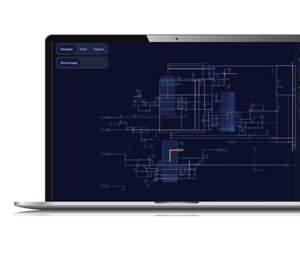
Stop rebuilding the same workflows

A common industrial data challenge may need to be solved across multiple assets, sites, or business units.
Without reusable workflows, teams often recreate the same:

  • Data cleansing
  • Calculations
  • Transformations
  • Entity matching
  • Quality checks
  • Integrations
  • Reporting logic

DataStudio lets teams build those processes once and reuse them. That means less custom development, greater consistency, and faster deployment across the organization.
screen
DATASTUDIO

From manual data work to repeatable industrial processes

Imagine a reliability engineer needs to analyze pump performance. The information may come from:

  • Historian measurements
  • Asset specifications
  • Maintenance records
  • Equipment hierarchy
  • Operating conditions

DataStudio can automatically bring those sources together, clean the measurements, apply engineering calculations, validate the results, and deliver a trusted dataset for analysis.

Instead of repeating that process manually for every pump, the workflow can be reused across hundreds or thousands of assets.

reveal left side screen
bg-office-meeting-table-unsplash
“DeepIQ DataStudio has enabled real-time integration between our IT and OT systems, cutting our time to insights from days to minutes. It is a key enabler for how we operate and make decisions.”
Cole NortonSenior VP of IT, Grapevine Energy Holdings

Frequently asked questions

What is DeepIQ DataStudio? DeepIQ DataStudio is a visual workspace for building and automating industrial data workflows. It helps teams connect, clean, transform, validate, and prepare data from multiple systems without having to build every workflow from scratch.
Do I need to know how to code to use DataStudio?

No.

DataStudio provides visual tools that allow engineers and domain experts to build data workflows without extensive coding. Developers and data teams can also use code when more advanced customization or logic is needed.

What types of industrial data can DataStudio work with?

DataStudio can work with data from historians, SCADA, databases, engineering systems, enterprise applications, cloud platforms, data lakes, and other industrial sources. Teams can combine information from multiple systems within the same workflow.

What types of workflows can we build with DataStudio? Teams can build workflows for data cleansing, transformation, validation, time-series preparation, engineering calculations, asset matching, data quality, analytics preparation, and AI-ready data. Workflows can be reused and automated to reduce repetitive manual work.
How does DataStudio work with the rest of the DeepIQ platform? DataStudio is where teams build the workflows that transform and prepare industrial data. Reveal connects to the source systems, DataStudio prepares and orchestrates the data, Data Products make the results reusable, Biz Context adds operational meaning, PIDx adds engineering intelligence, and Agentix makes that trusted information available to AI.

SEE DATASTUDIO IN ACTION

Build Once. Automate. Scale.

Reduce the manual work required to prepare industrial data and give engineering and data teams a faster way to turn operational information into something the business can use.